Restaurant Marketing Ideas: 25 Practical Ways to Attract More Customers
Explore 25 practical restaurant marketing ideas to attract more customers, increase online orders, and grow repeat business. Discover proven approaches to local SEO, social media, promotions, delivery marketing, and customer loyalty for restaurants of all sizes.
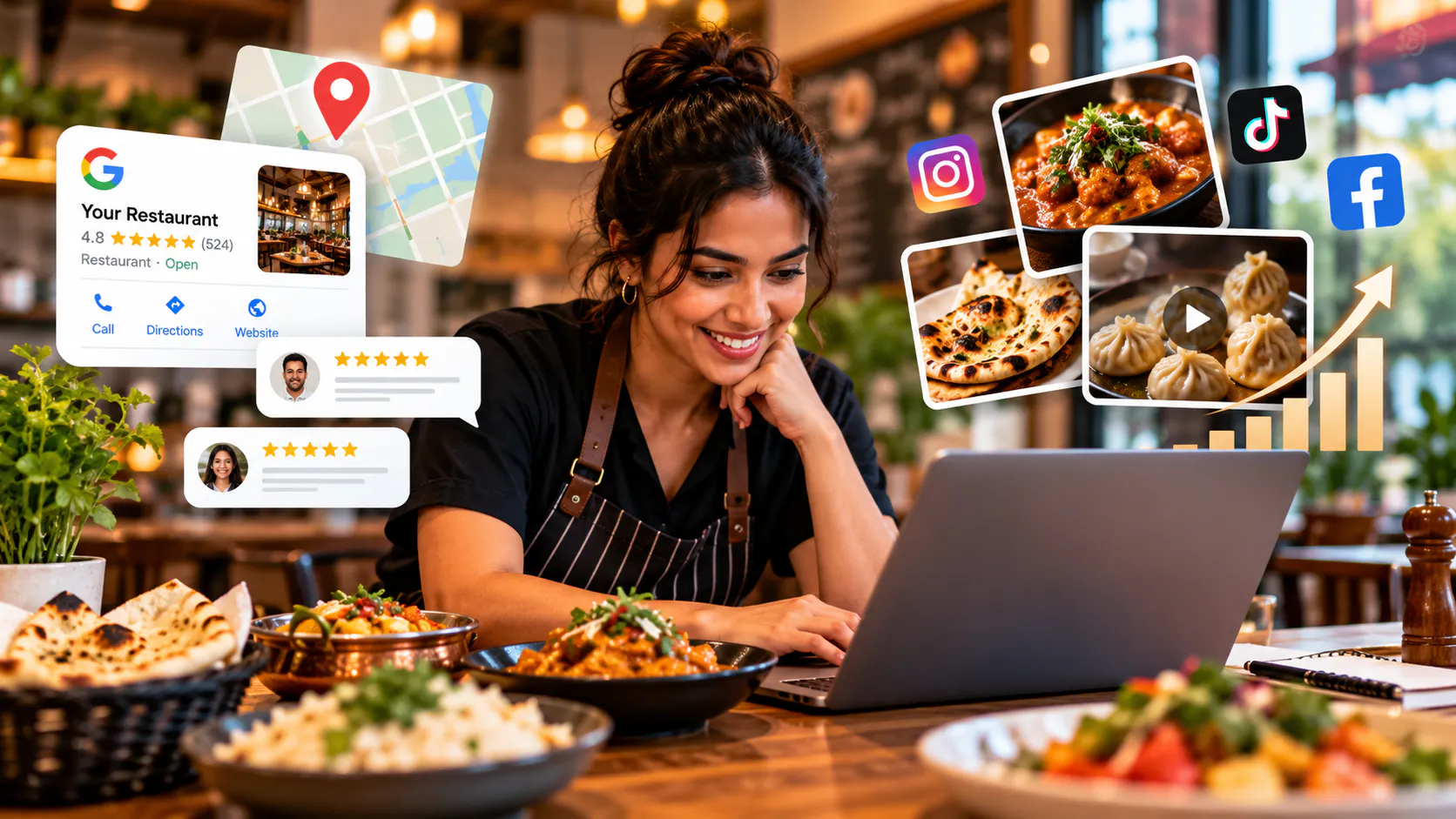
Getting people to notice a restaurant is one thing. Turning that attention into reservations, takeout orders, delivery orders, and repeat visits is another.
That is why restaurant marketing should not begin with, “What should we post on Instagram?”
It should begin with a much simpler question:
What problem are we trying to solve?
A restaurant with empty tables on Tuesday needs a different marketing strategy from a restaurant struggling to get delivery orders. A new restaurant trying to build awareness has different priorities from an established restaurant that gets plenty of first-time customers but very few repeat visits.
The best restaurant marketing ideas connect the right message with the right customer at the right moment.
Below are 25 practical ideas restaurants can use to improve local visibility, attract new diners, increase orders, and encourage customers to come back.
What Is Restaurant Marketing?
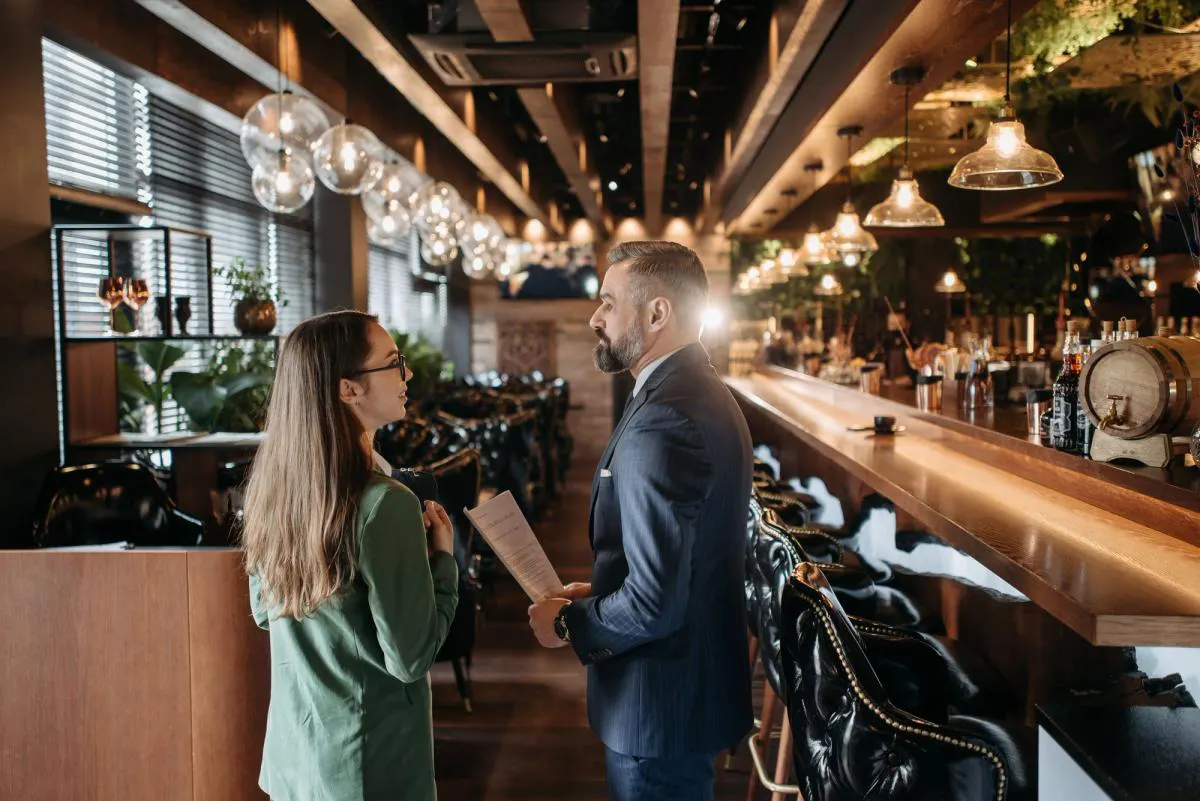
Restaurant marketing is the process of helping people to discover your restaurant, giving them a reason to choose it, and creating enough value for them to return.
It can include everything from Google Maps and local SEO to social media, paid advertising, promotions, email, SMS, loyalty programs, delivery offers, community partnerships, and customer reviews.
Good restaurant marketing does not rely on a single channel. The strongest approach combines discovery, conversion, and retention.
People need to find you first. Then they need a reason to order or visit. After that, you need to give them a reason to return.
Restaurant Marketing Ideas for Getting Discovered
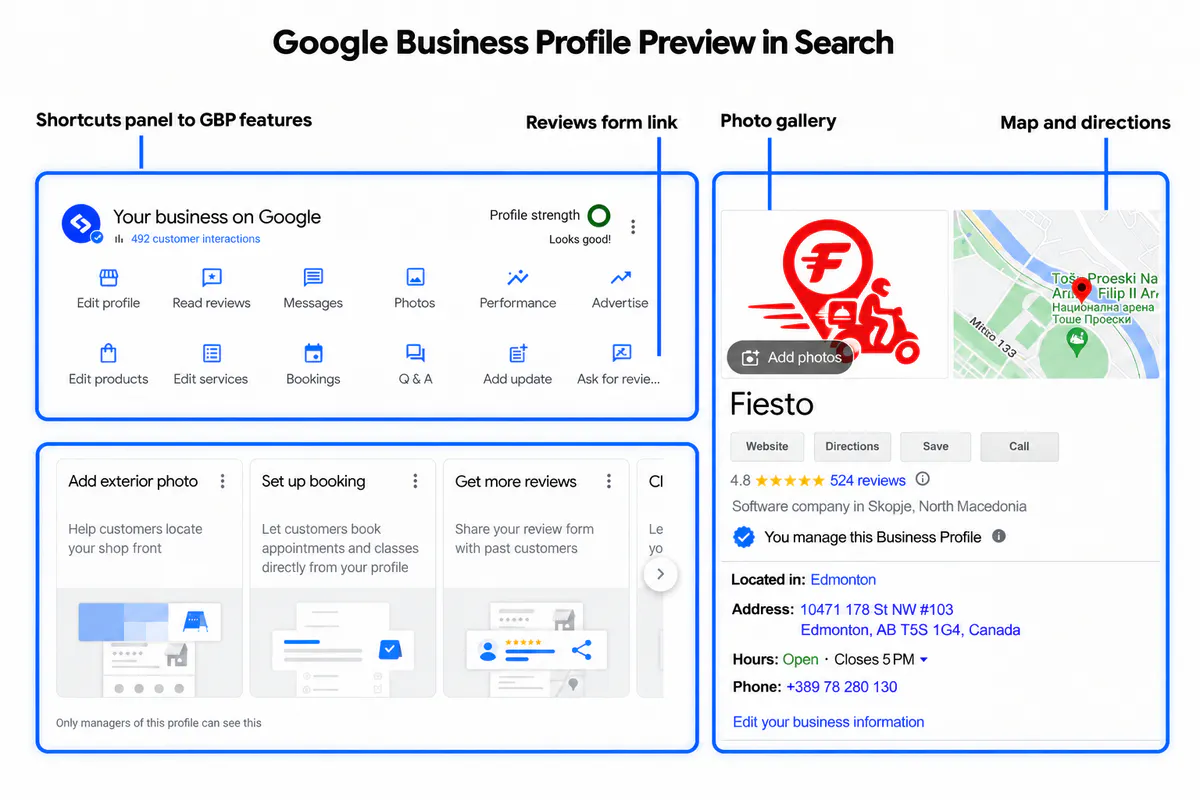
1. Optimize Your Google Business Profile
For local restaurants, Google is often one of the first places customers make a decision. If someone searching “Indian restaurant near me,” “best momo in Edmonton,” or “late-night food near me” may never visit your homepage before choosing where to eat.
Keep your Google Business Profile complete and current.
Make sure your:
- Opening hours are accurate
- Menu link works
- Phone number is correct
- Address is consistent
- Restaurant categories are relevant
- Food photos are recent
- Ordering or reservation links work
Upload new photos regularly instead of treating the profile as something that only needs to be set up once.
Track calls, website visits, direction requests, bookings, and orders coming from your listing.
2. Build Local SEO Around How Customers Actually Search
Restaurants often optimize only for their business name. That misses people who have never heard of the restaurant.
Your website should also target searches connected to cuisine, dishes, location, dining occasion, and services.
For example:
- Indian restaurant in Edmonton
- Nepali restaurant in Calgary
- momo delivery near me
- family restaurant in Winnipeg
- halal food delivery Edmonton
- best biryani in Calgary
- late-night food near me
Create natural, useful pages rather than stuffing these phrases repeatedly into one page.
A restaurant that serves several distinct food categories may also benefit from dedicated pages for important dishes or services.
3. Optimize Individual Menu Items for Search
Sometimes customers search for food before they search for a restaurant.
Someone may want:
“butter chicken near me”
rather than:
“Indian restaurant near me.”
That means popular menu items can become discovery opportunities.
Feature your signature dishes clearly on your website. Use descriptive menu names, useful food descriptions, high-quality photos, and relevant location information where it makes sense.
If a dish is genuinely one of your specialties, make it easy for Google and customers to understand that.
4. Build a Consistent Review Strategy
Reviews influence both visibility and trust.
Instead of occasionally asking customers to “leave us a review,” build the request into the customer experience.
A simple review flow might happen after:
- A successful dine-in experience
- Delivery confirmation
- Catering completion
- A positive customer message
- A repeat purchase
Respond to reviews as well.
Thank customers for positive feedback and handle negative feedback professionally. Responses show potential customers that someone is paying attention.
5. Use Local PR and Community Mentions
You do not need national media coverage to make restaurant PR valuable.
Local food bloggers, neighborhood publications, community pages, cultural organizations, university groups, and local event websites can all introduce the restaurant to new audiences.
Give them something worth talking about.
That could be:
- A new menu
- A cultural food event
- A chef story
- A charity partnership
- A festival celebration
- A restaurant anniversary
- A unique local collaboration
Social Media Marketing Ideas for Restaurants
6. Make the Food the Hero of Short-Form Video
You don’t need complicated videos every day. Simple visual moments can work extremely well:
- Steam coming from fresh dumplings
- A curry is being poured.
- Cheese stretching.
- Fresh naan coming from the oven.
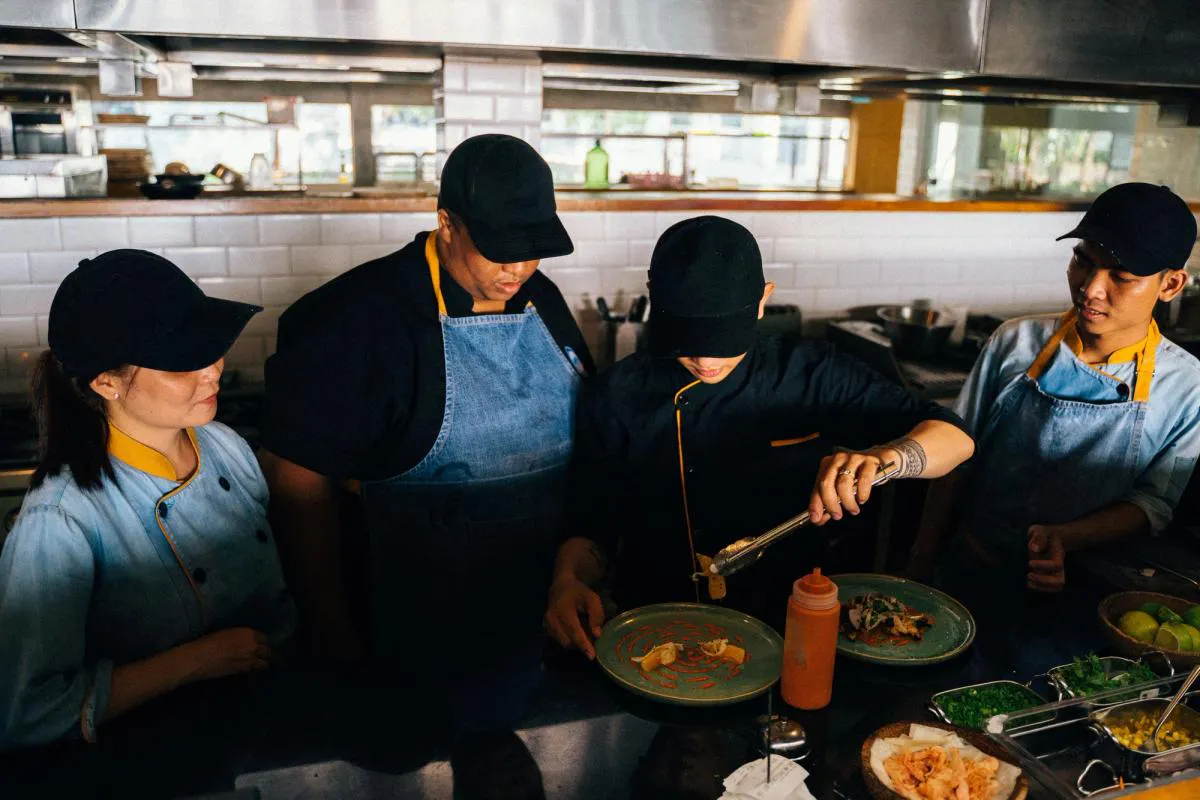
- A chef finishing a plate.
- A delivery order being packed.
The goal is to make someone hungry before they even think about whether they want to order.
Use Instagram Reels, TikTok, YouTube Shorts, and Facebook video according to where your audience spends time.
7. Show the People Behind the Restaurant
Customers remember people more easily than another promotional graphic.
Introduce:
- The chef
- The owner
- Front-of-house staff
- Delivery team
- Family members behind the business
- The person preparing a signature dish
Tell small stories.
Why did the restaurant open? Where did the recipe come from? And what dish does the chef personally recommend? These human moments can make a restaurant feel familiar before a customer ever walks through the door.
8. Turn Customers Into Content
User-generated content can create stronger trust than polished advertising. When customers tag the restaurant, ask permission to repost the content. You can also encourage more customer content by creating experiences worth sharing.
That might be:
- Distinctive food presentation
- Large group platters
- Seasonal dishes
- Beautiful drinks
- Celebration desserts
- Interesting restaurant interiors
Customers already have cameras in their pockets. Give them something they want to photograph.
9. Partner With Local Micro-Creators
A creator doesn’t need millions of followers to influence restaurant decisions, A smaller local creator with an engaged audience in your city can sometimes be more relevant than a huge account with followers spread around the world.
Look for creators whose audience overlaps with your customers. Instead of only saying, “Come try our restaurant,” create a specific story.
For example:
“Best comfort food for a cold Edmonton evening.”
“Three dishes to try if you have never eaten Nepali food.”
“A $50 family dinner challenge.”
That gives the creator something interesting to build around.
10. Create Recurring Social Content Series
One-off posts disappear quickly. A recurring series gives people a reason to recognize and remember your brand.
Ideas include:
What Edmonton Orders on Friday Night
Dish of the Week
Behind the Kitchen
Customer Favourite of the Month
Chef's Pick
What $25 Gets You Here
Consistency is often more valuable than constantly trying to invent a completely new concept.
Restaurant Promotion Ideas
11. Use Promotions to Fix Slow Periods
Discounting everything all the time trains customers to wait for discounts. Instead, use promotions strategically. If Tuesday evenings are slow, build a Tuesday-specific offer.
If lunch is weak, promote lunch. If delivery slows after 8 p.m., create a late-evening offer.
Marketing should help improve underperforming periods, not simply reduce margin during periods that are already busy.
12. Create Limited-Time Menu Items
Limited-time dishes create urgency.
They can be built around:
- Seasons
- Festivals
- Local events
- Cultural celebrations
- New ingredients
- Collaborations
They also give your social media channels something new to talk about without changing the permanent menu.
13. Build Family and Group Bundles
Customers often struggle with one question:
What should everyone order?
Make the decision easier.
Create bundles designed for:
- Families
- Office lunches
- Friends
- Parties
- Game nights
- Weekend dinners
A well-designed bundle can increase average order value while reducing decision fatigue.
14. Create Campaigns Around Important Local Moments
Restaurants naturally fit into celebrations. Build campaigns around occasions relevant to your actual audience.
Depending on the market, that may include:
- Diwali
- Thanksgiving
- Halloween
- Christmas
- New Year
- Valentine's Day
- Mother's Day
- Father's Day
- Local festivals
The strongest campaigns do more than apply a discount.
Connect the food to the occasion.
A Diwali campaign might focus on family time and celebration. A winter campaign might focus on warm comfort food delivered during bad weather.
Restaurant Marketing Ideas for Repeat Customers
15. Start Building an Email List
Social media platforms control your reach. Your customer list is different. Email allows restaurants to communicate directly with people who have already shown interest.
Useful restaurant emails might include:
- New menu launches
- Birthday offers
- Seasonal promotions
- Special events
- Loyalty updates
- Restaurant stories
Avoid sending promotions every few days. Give customers a reason to continue opening your emails.
16. Use SMS for Timely Offers
SMS can work especially well when timing matters.
For example:
A lunch offer sent shortly before lunch.
A weather-related delivery offer during heavy snow.
A reminder about a limited dinner promotion.
A weekend family meal offer on Friday afternoon.
Because text messages are more intrusive than email, use them selectively.
17. Create a Simple Loyalty Program
A loyalty program should be easy to understand. Customers should not need a calculator to know what they are earning.
Examples:
Buy a certain number of meals and receive a reward.
Earn points for every order.
Get a birthday benefit.
Receive an exclusive offer after several purchases. The goal is not simply giving away food. It is increasing the likelihood that someone chooses your restaurant again instead of a competitor.
18. Run Win-Back Campaigns
One of the most overlooked restaurant audiences is:
people who already ordered from you but stopped.
Create campaigns for customers who have not ordered in 30, 45, or 60 days.
The message can be simple:
“We haven't seen you in a while.”
Then give them a relevant reason to return, whether that is a new menu item, limited offer, loyalty reward, or free-delivery promotion.
Restaurant Marketing Ideas for Delivery Orders
19. Make Online Ordering Easy
Marketing cannot fix a frustrating ordering experience. Customers should quickly understand:
- What you sell
- What dishes look like
- What they cost
- How long delivery may take
- How to customize orders
- How to check out
Remove unnecessary steps wherever possible.
The easier ordering feels, the less likely customers are to abandon the purchase.
20. Promote Dishes That Travel Well
Your best dine-in dish may not be your best delivery product.
Identify foods that:
- Maintain quality
- Package well
- Look good after delivery
- Are easy to reheat
- Have strong margins
Feature those items more heavily in delivery campaigns.
21. Create Delivery-Only Bundles
Delivery customers behave differently from dine-in customers. Create offers designed specifically for them.
Examples:
Dinner for two.
Family night bundle.
Game-night meal.
Office lunch package.
Late-night combo.
These bundles can make ordering easier while increasing basket size.
22. Use Weather as a Marketing Trigger
Weather affects how people eat for the cold season, rainy season, and snow season can increase the appeal of staying home and ordering comfort food.
Instead of generic promotions, connect the campaign to what people are experiencing.
For example:
Cold outside. Dinner stays inside.
or:
Snow night? We'll bring dinner to you.
The campaign feels relevant because it matches the customer's situation.
Local Restaurant Marketing Ideas
23. Partner With Nearby Businesses
Restaurants and nearby businesses often serve the same local community.
Look for partnership opportunities with:
- Offices
- Gyms
- Hotels
- Salons
- Retail stores
- Event venues
- Community organizations
The partnership does not have to be complicated.
A nearby office might receive a corporate lunch offer. A hotel might recommend your restaurant to guests. A local event organizer might need catering.
24. Work With Universities and Offices
Universities and office districts create recurring demand. Restaurants can build dedicated campaigns around:
- Student meals
- Group lunches
- Staff catering
- Study-night food
- Meeting packages
- Employee discounts
But avoid marketing to everyone in exactly the same way.
A student looking for an affordable evening meal has different priorities from an office manager ordering lunch for 20 people.
25. Think Neighborhood First
Restaurants are local businesses before trying to become famous everywhere, become familiar to the people around you.
Create campaigns around actual neighborhoods, landmarks, workplaces, communities, and events.
The goal is simple:
When someone nearby thinks about the kind of food you sell, your restaurant should be one of the first names that comes to mind.
Which Restaurant Marketing Ideas Should You Use?
Not every restaurant needs all 25 ideas. Choose according to the problem you need to solve.
- Restaurant problem
- Marketing ideas to prioritize
- Low local awareness
- Google Business Profile, local SEO, creators, PR
- Slow weekdays
- Time-specific promotions, SMS, local ads
- Low repeat business
- Email, loyalty, win-back campaigns
- Weak delivery orders
- Delivery bundles, food photography, weather campaigns
- Few reservations
- Google visibility, reviews, reservation optimization
- New restaurant
- Local creators, launch PR, social video, Google Business Profile
- Low average order value
- Bundles, add-ons, group meals
- Weak social engagement
- Short-form video, customer content, recurring series
Restaurant Marketing Ideas by Budget
You do not need an enormous marketing budget to improve restaurant visibility.
Small or Nearly Zero Budget
Start with:
- Google Business Profile
- Review generation
- Organic short-form video
- User-generated content
- Local SEO
- Community partnerships
- Email collection
These require more consistent effort than advertising spend.
$100–$500 per Month
Consider adding:
- Micro-creator collaborations
- Small Meta campaigns
- Email marketing software
- SMS campaigns
- Local promotions
Focus your spending on one or two areas rather than spreading a small budget across every platform.
$500+ per Month
You can begin testing:
- Google Ads
- Meta Ads
- Professional food photography
- Larger creator campaigns
- Retargeting
- Local video production
- PR campaigns
But bigger budgets should come with better measurement. Do not increase spending simply because ads generate clicks. Increase spending when those clicks generate customers.
How to Measure Restaurant Marketing
Likes and views can be useful indicators, but they are not the final goal. Track metrics connected to actual business performance.
Important restaurant marketing KPIs include:
- Reservations
- Online orders
- Delivery orders
- Average order value
- Repeat purchase rate
- Website visits
- Google direction requests
- Phone calls
- Promo-code redemptions
- Email conversions
- Customer acquisition cost
- Return on advertising spend
If a campaign generates 100,000 video views but almost no orders or visits, its business value may be limited.
If a local promotion reaches only 5,000 people but brings 100 paying customers, it may be far more useful.
Frequently Asked Questions About Restaurant Marketing
What is the best marketing strategy for a restaurant?
There is no single strategy that works for every restaurant. A strong approach usually combines local search visibility, reviews, social content, promotions, customer retention, and measurement. The right mix depends on whether the restaurant needs awareness, first-time customers, delivery orders, reservations, or repeat business.
How can I promote my restaurant locally?
Start with Google Business Profile optimization, local SEO, customer reviews, neighborhood partnerships, community events, local creators, and geographically targeted advertising. Local familiarity is often more valuable than broad reach.
What are some low-cost restaurant marketing ideas?
Organic social video, customer-generated content, Google Business Profile updates, email marketing, review generation, community partnerships, and local SEO can all be effective without large advertising budgets.
How can restaurants attract more customers?
Restaurants attract customers by increasing visibility, building trust, offering a clear reason to visit, and making ordering or booking easy. Strong reviews, appealing food visuals, useful promotions, local search visibility, and recommendations all contribute.
What social media is best for restaurants?
Instagram and TikTok are strong for visual discovery and short-form food content, while Facebook can remain useful for local communities, events, and established customer groups. The best platform depends on where your specific customers are active.
How much should a restaurant spend on marketing?
There is no universal number. Marketing spend should depend on revenue, margins, growth stage, local competition, and the restaurant's goals. Start with channels you can measure, test small campaigns, and increase spending when you can connect the activity to real customer acquisition.
How can restaurants get more repeat customers?
Use loyalty programs, email, SMS, personalized offers, strong customer service, consistent food quality, and win-back campaigns. Repeat business often improves when restaurants maintain contact after the first purchase rather than waiting for customers to remember them.
How do I market restaurant delivery?
Focus on dishes that travel well, easy online ordering, appealing food photography, delivery-specific bundles, targeted promotions, local search visibility, weather-based campaigns, and repeat-order incentives.
Final Thoughts
Restaurant marketing works best when it solves a real business problem, not when you feel you need to post. Don’t discount simply because competitors are running discounts. And don’t spend money on advertising before understanding what happens after someone clicks.
Start by identifying what your restaurant actually needs:
- More visibility?
- More first-time customers?
- More delivery orders?
- More weekday traffic?
- More repeat customers?
- Then choose the marketing ideas that directly support that goal.
The restaurants that market effectively are not always the ones shouting the loudest. They are often the ones that understand their customers best, show up consistently, make ordering easy, and give people a reason to return.