How to Rank Your Restaurant Higher on Google Maps
If you own a restaurant, one of the most important places for your business to appear today is Google Maps. Think about how people actually search when they are hungry. They rarely search only for the exact name of a restaurant they already know.
If you own a restaurant, one of the most important places for your business to appear today is Google Maps. Think about how people actually search when they are hungry. They rarely search only for the exact name of a restaurant they already know. More often, they type something like “Pizza restaurant near me,” “best momo near me,” “Nepali restaurant in Edmonton,” “family restaurant near me,” or simply search for a type of food on Google Maps.
That is why learning how to rank a restaurant on Google Maps has become an important part of restaurant marketing.
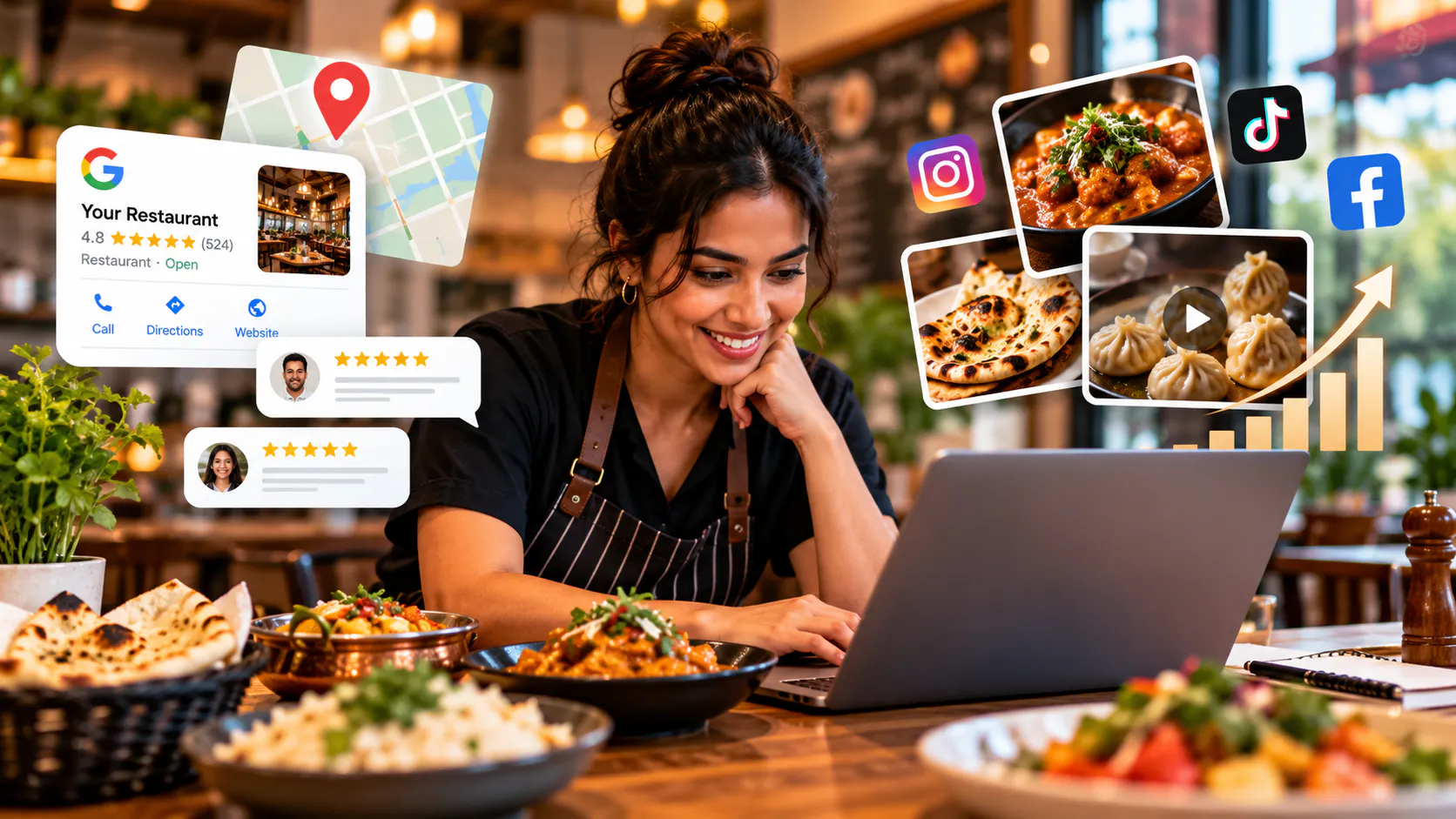
Google Maps SEO is not only about putting your restaurant on a map. Your restaurant profile can show your location, opening hours, phone number, website, directions, photos, customer reviews and other useful information before someone even visits your website.
For a restaurant, that visibility can make a major difference.
Someone may discover you on Google, look at your food photos, read a few reviews, check the distance, open your menu and decide to visit or order within a few minutes.
So if you are trying to improve your Google Maps ranking for your restaurant, your first priority should be building a strong and accurate Google Business Profile.
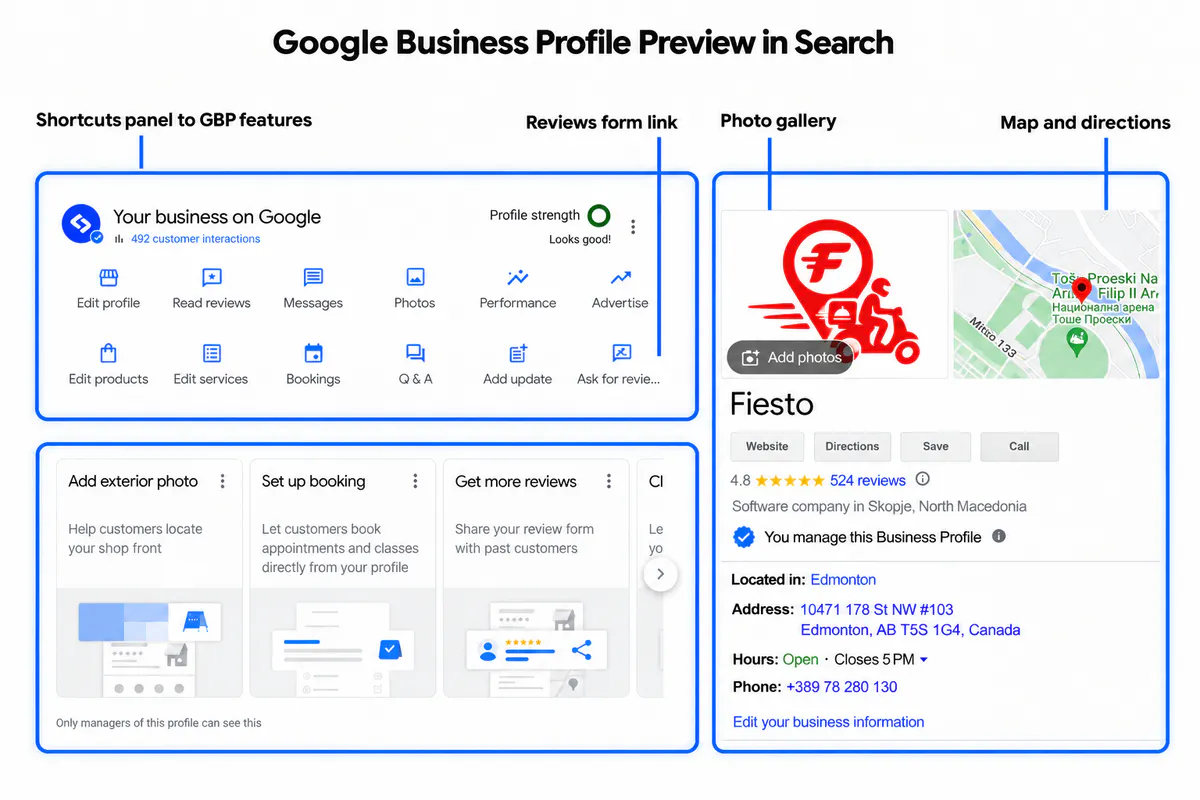
Start With Your Google Business Profile
You may still hear people call it Google My Business, but Google now refers to it as Google Business Profile. If your restaurant does not already have one, this is where I would start. Use an account that belongs to the restaurant or business itself rather than creating everything through an employee's personal account. This becomes particularly important later.
Staff members change, Marketing agencies change, Social-media managers change but ownership of your restaurant's digital assets should always stay with the business.
The restaurant owner or an authorized senior person should retain control of the main account, while other employees or marketing partners can be given appropriate access when necessary.
Google also recommends that businesses retain ownership of their profile when working with a third party. Use a secure business email and a phone number that you expect to keep long term. Your restaurant's basic information should then be completed properly.
Your business name should reflect the real restaurant name. Your phone number should work. Your address should be accurate. Your restaurant category should accurately describe the business. Your opening hours should be correct.
For restaurants specifically, Google recommends using the hours when customers can actually dine at the restaurant, with takeout or other service hours used where appropriate.
These details may sound simple, but they form the foundation of your local SEO strategy.
Google says complete and accurate Business Profile information can improve a business's ability to appear in relevant local results.
Make It Easy for Google to Understand Your Restaurant
One of the biggest mistakes restaurant owners can make is creating a profile and then barely completing it.
Simply adding your restaurant name, address and phone number is not enough. Give Google and potential customers enough information to understand exactly what your restaurant offers.
Choose the correct restaurant category and complete the available profile information. Add your website. Add your opening hours. Include useful attributes when they apply to your business.
Your website and Google Business Profile should also tell the same story.
If you operate an Indian restaurant in Edmonton, for example, your website should clearly communicate that you are an Indian restaurant in Edmonton. Your location, menu, contact information and restaurant name should be consistent across your website and other important online listings.
When customers search locally, Google mainly considers relevance, distance and prominence when determining local results.
You cannot control how close every customer is to your restaurant, but you can improve the other signals surrounding your business.
This is where good restaurant SEO starts becoming much more than simply “adding keywords.”
Your Food Photos Matter More Than Many Restaurants Realize
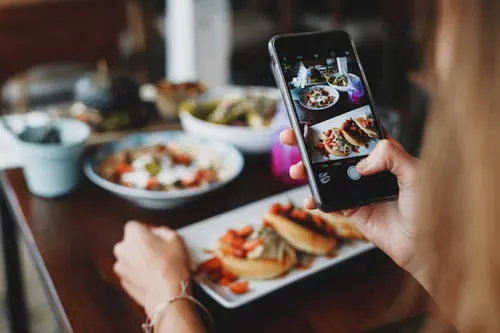
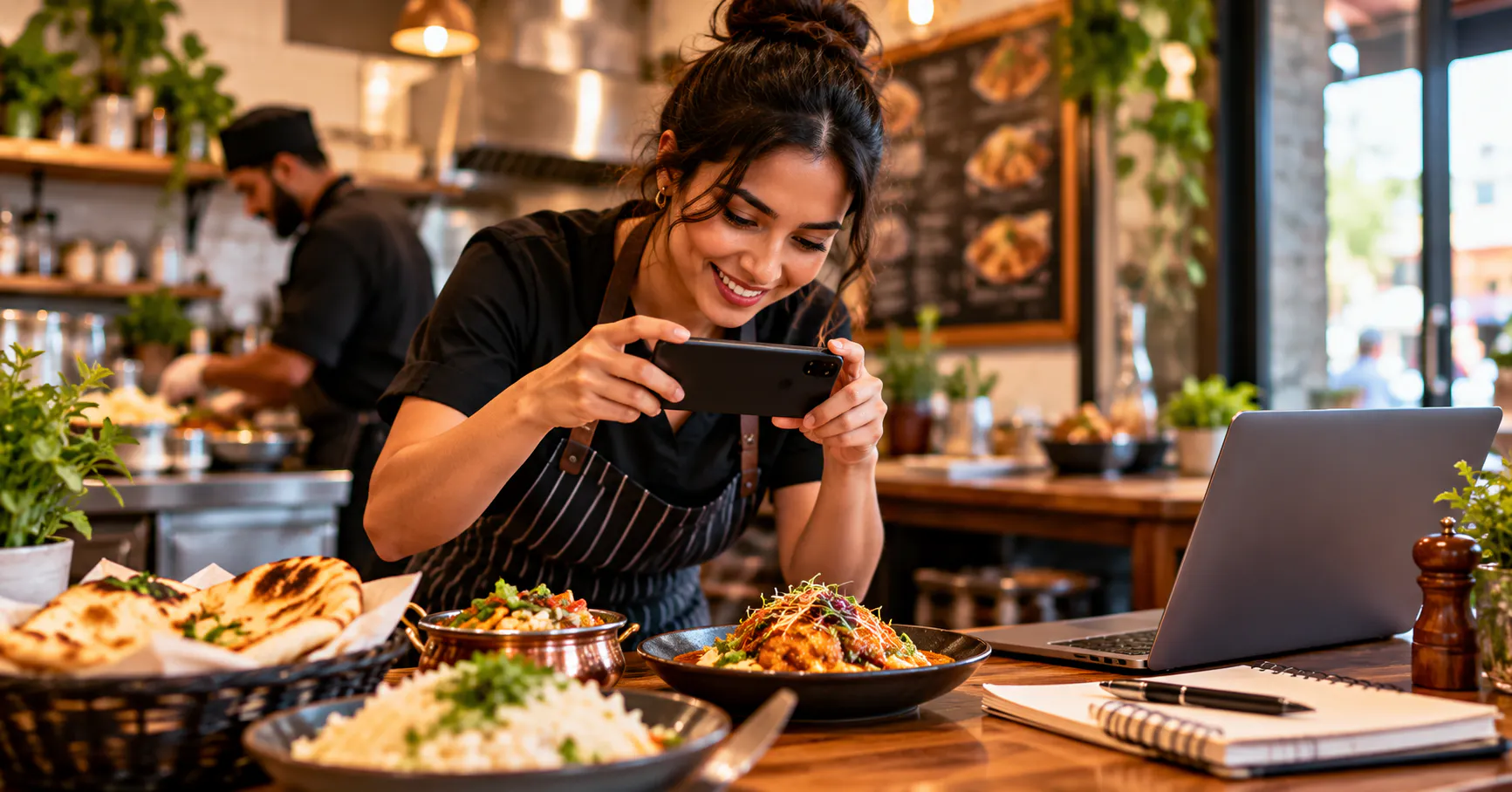
If someone discovers your restaurant on Google Maps, one of the first things they may look at is your food. That means your photos are part of your sales process. Do not rely only on one exterior photo and a logo.
Regularly add good-quality pictures of your most popular dishes, restaurant interior, dining environment and other useful parts of the customer experience.
If you serve momo, biryani, butter chicken, thali, pizza, burgers or another signature dish, show it properly.
Customers want to understand what they are going to receive before they order. Google also specifically recommends adding photos and videos to help customers understand what a business offers.
Your restaurant profile should feel active rather than abandoned.
If your menu changes, your opening hours change, you introduce a new dish or you update important restaurant information, keep your online presence updated too.
An outdated profile can create a bad experience even before the customer enters the restaurant.
Reviews Can Influence Both Trust and Local Visibility
Reviews are another important part of Google Maps SEO for restaurants.
Before visiting a restaurant, people naturally want to know what other customers experienced.
- Was the food good?
- Was the service professional?
- Was the restaurant clean?
- Did customers receive what they expected?
Google also states that more reviews and positive ratings can contribute to a business's prominence in local search.
However, there is an important point here.
Do not offer customers a discount, free dish or other reward specifically in exchange for posting a positive Google review.
Google considers incentivized reviews fake engagement and prohibits them. It also does not allow businesses to pressure customers into leaving positive reviews or to selectively request reviews only from satisfied customers.
A much better approach is simple. Serve customers well and ask them honestly for feedback.
You can place a review QR code near the counter, include a Google review link in a thank-you message or add it to receipts where appropriate. Google officially provides review links and QR codes for this purpose.
You can say something as straightforward as: “If you visited us today, we would appreciate your honest feedback on Google.”
That is better for the business anyway. If customers continuously mention that one dish is excellent, you know what is working. If several customers mention the same service issue, that information also helps you improve. The purpose of reviews should not just be increasing a star rating. Reviews can become a feedback system for the restaurant.
Respond to Your Reviews
Don’t only collect reviews. Respond to them and if someone leaves a positive review, thank them and If someone leaves constructive criticism, respond professionally and acknowledge it.
If something genuinely went wrong, show that the restaurant takes customer experience seriously.
Google itself encourages businesses to respond to customer reviews because it demonstrates that customer feedback matters.
Potential customers may also read your replies. A professional response to a negative experience can sometimes create more trust than ignoring the review completely.
Your Website Still Matters for Google Maps Ranking
Some restaurant owners think Google Maps ranking depends only on the Google Business Profile.
That is not the full picture. Your website helps Google understand your restaurant, location and overall online presence. Your restaurant website should clearly contain your restaurant name, location, contact details, menu and information about what type of food you serve.
You should also build content around what real customers search for.
For example, instead of creating pages with generic text, you may create useful content related to your location and food. A restaurant could naturally build content around searches such as:
“best Indian dishes to try in Edmonton”
“where to find authentic Nepali momo in Edmonton”
“Indian family dining in Edmonton”
“vegetarian Indian food in Edmonton”
or other topics directly connected to what the restaurant genuinely provides.
The objective is not to put the same keyword into every paragraph. The objective is to make your restaurant more relevant for the searches your potential customers are already making. That is the core of a good local SEO strategy for restaurants.
Keep Your Restaurant Information Consistent
Your restaurant name, address, phone number, website and opening hours should not contradict each other across different places online.
If your Google profile lists one phone number while your website lists another, or one platform displays old opening hours, you create unnecessary confusion.
Keep your important business information consistent. This also becomes especially important when another employee or outside company manages your marketing. Give them access where required, but make sure the restaurant still owns and controls the main accounts.
Do not build your business's online presence around one employee's private Gmail address or personal mobile number if that person might leave later and think long term. The account should belong to the business.
Can You Outrank Other Restaurants on Google Maps?
Restaurant owners often ask how they can outrank another restaurant on Google Maps.
There is no button that guarantees that. Google explicitly says businesses cannot request or pay Google for a better organic local ranking.
Instead, concentrate on the things you can actually improve, build a complete profile, use accurate information, and select relevant categories. Keep your opening hours updated, and upload high-quality restaurant and food photos.
Earn genuine customer reviews, respond professionally to those reviews and maintain a useful restaurant website. Build local mentions and legitimate links to your website and create genuinely useful local content.
The restaurant that consistently manages all of these areas usually gives both Google and potential customers more information to work with. That is much more sustainable than trying to find a quick Google Maps ranking trick.
Use Local Partnerships to Build More Visibility
Backlinks and local mentions can also strengthen the wider online presence of a restaurant. A restaurant can be featured in local food blogs, community websites, event coverage, restaurant guides or relevant local platforms.
The important word here is relevant when a local link from a real website talking about restaurants in your city can be much more useful than collecting random links from websites that have nothing to do with your business.
You can also collaborate with local creators, participate in community events, or create genuinely useful content that other local websites may want to mention.
Instead of thinking only about “getting backlinks,” think about building local authority around your restaurant. That creates a stronger brand as well.
Where Fiesto Can Support Local Restaurants
Google Maps should not be the only place customers discover your restaurant. Restaurants can increase visibility by appearing across other relevant local platforms as well.
For restaurants working with Fiesto, the platform can become another channel through which customers discover local food, explore participating restaurants and order from nearby vendors.
Restaurants can also use promotional content, local campaigns and food-focused marketing opportunities to put their dishes in front of more potential customers.
The objective is not to replace your Google Business Profile. It is to build a stronger local presence around it. Your restaurant website, Google Maps listing, delivery platforms, social media, local content and customer reviews should support one another.
The more consistent and discoverable your restaurant becomes across relevant channels, the stronger your overall local brand can become.
Google Maps SEO Is an Ongoing Process
If you are wondering which tools improve Google Maps ranking for restaurants, the first answer is not necessarily another expensive SEO tool.
Start by fully using the tools Google already gives you. Maintain your Google Business Profile. Keep your information accurate and monitor your reviews so use your restaurant website properly and watch what customers search for and which pages or dishes receive attention.
Tools can certainly help with keyword research, competitor research and local SEO tracking, but software cannot compensate for an incomplete profile, wrong restaurant information, poor customer experience or an outdated website.
The fundamentals matter first. Google notes that local rankings primarily depend on relevance, distance and prominence.
That means there is no single shortcut that places every restaurant at number one.
Instead, restaurants should focus on becoming the most useful and trustworthy result they realistically can be for people searching nearby.
If your information is accurate, your food looks appealing, your customers are genuinely satisfied, your website supports your local presence and your restaurant remains active online, you are building the right foundation.
And that is ultimately how to improve your restaurant's Google Maps ranking in a way that can continue working over time.