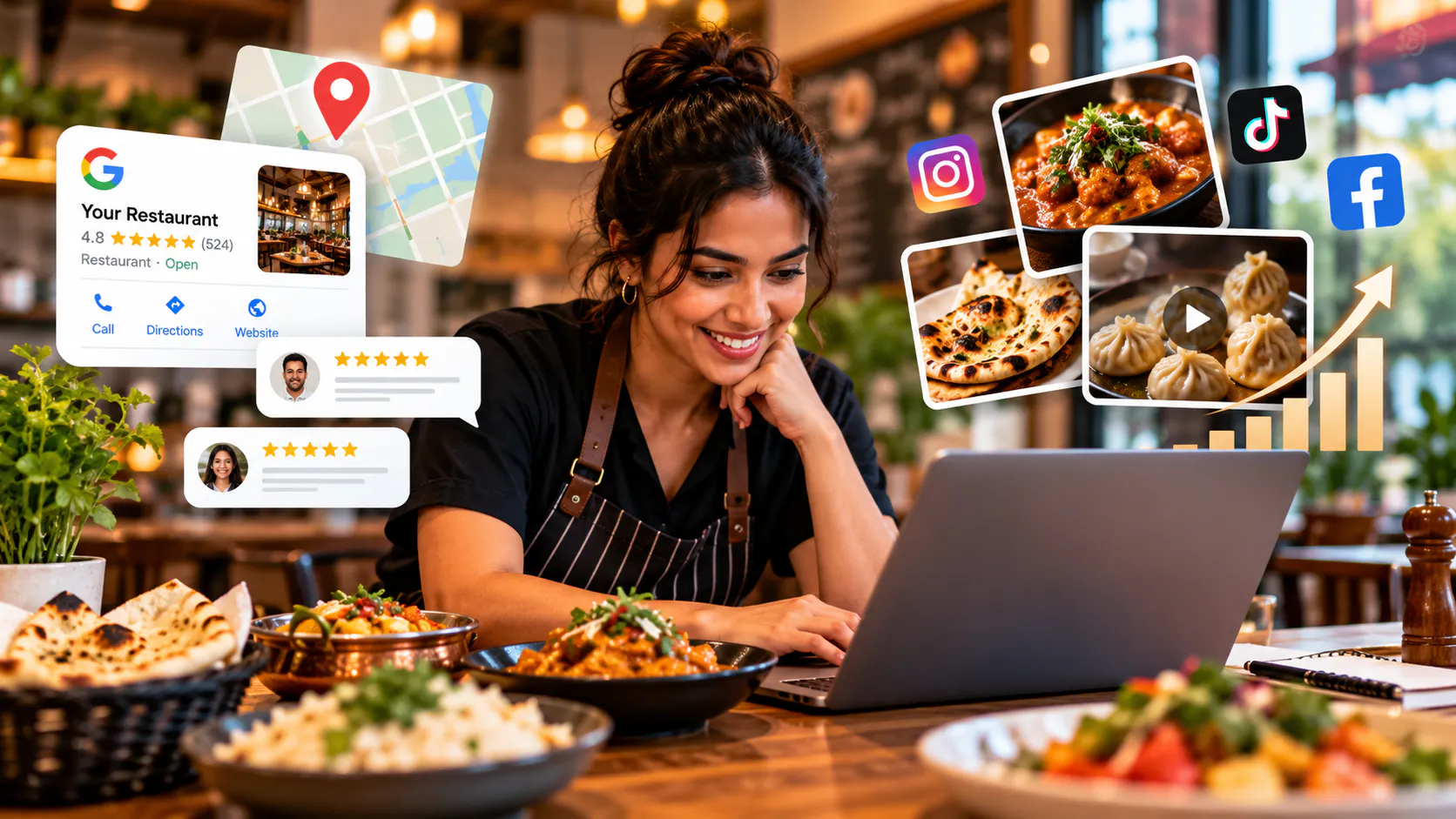
Restaurant Marketing Isn't Just Posting Food Photos: A Full-Funnel Guide That Actually Works
Restaurant marketing is more than posting food photos. Discover a full-funnel strategy to attract new diners, build trust, increase orders, and turn first-time guests into loyal regulars through storytelling, great service, smart offers, and seamless ordering.
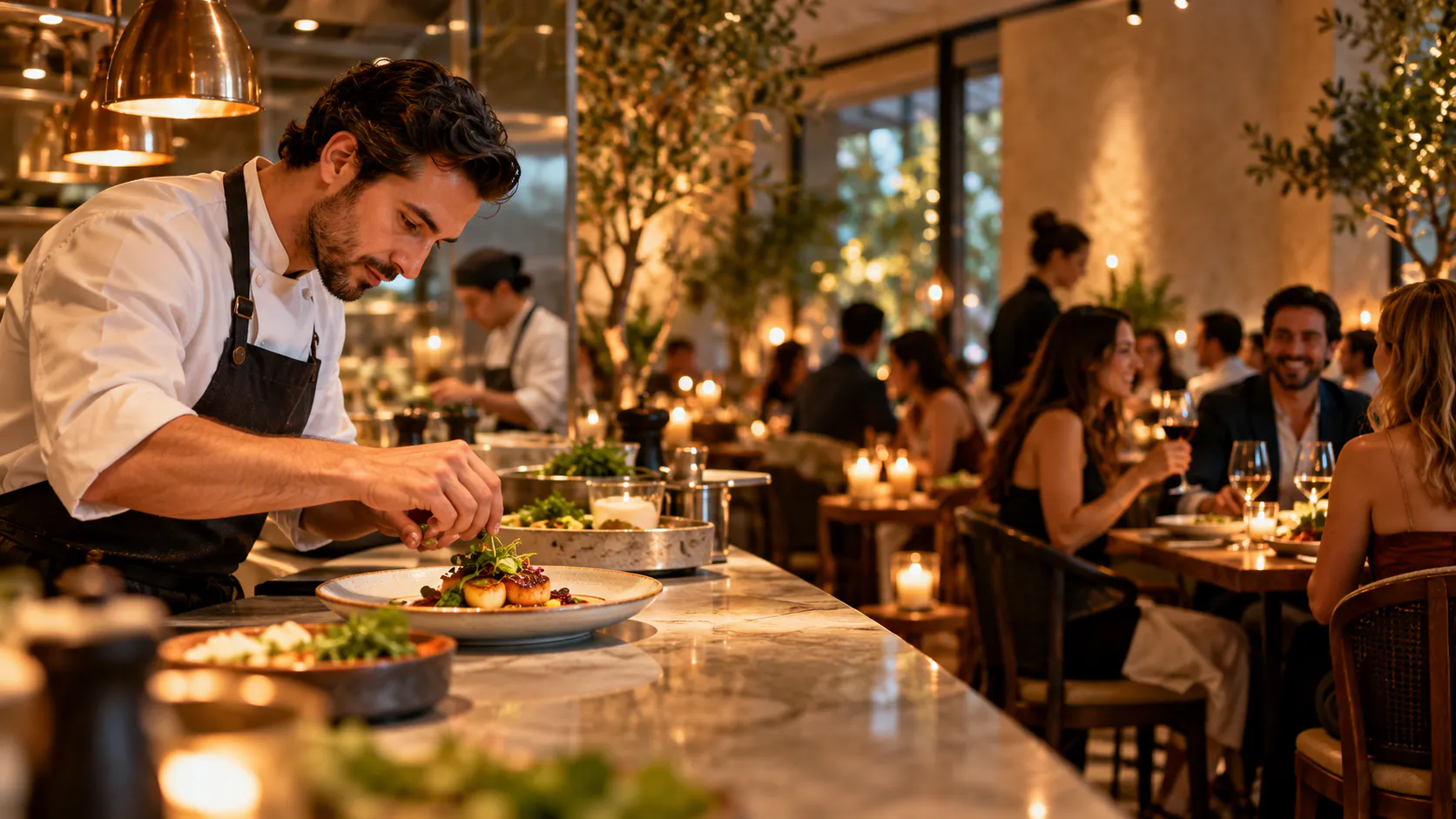
Ask most owners why people walk into a restaurant and the answer comes back fast because they're hungry. That's true, but it's only half the story people don't just want to be fed. They want to feel respected and good service, a table that feels like theirs for an hour, someone who greets them like they matter. They come to talk, to celebrate, to sit across from someone they love, to feel part of something. Food is the reason they walk in the door. Everything around the food is the reason they come back.
If you understand that one thing, you already understand more about restaurant marketing than most guides will ever tell you. Because real restaurant marketing doesn't begin on social media. It begins at the table, in the kitchen, and in the way your staff make a stranger feel welcome. Get that wrong and no amount of posting will save you. Get it right and your marketing starts doing half its work for free.
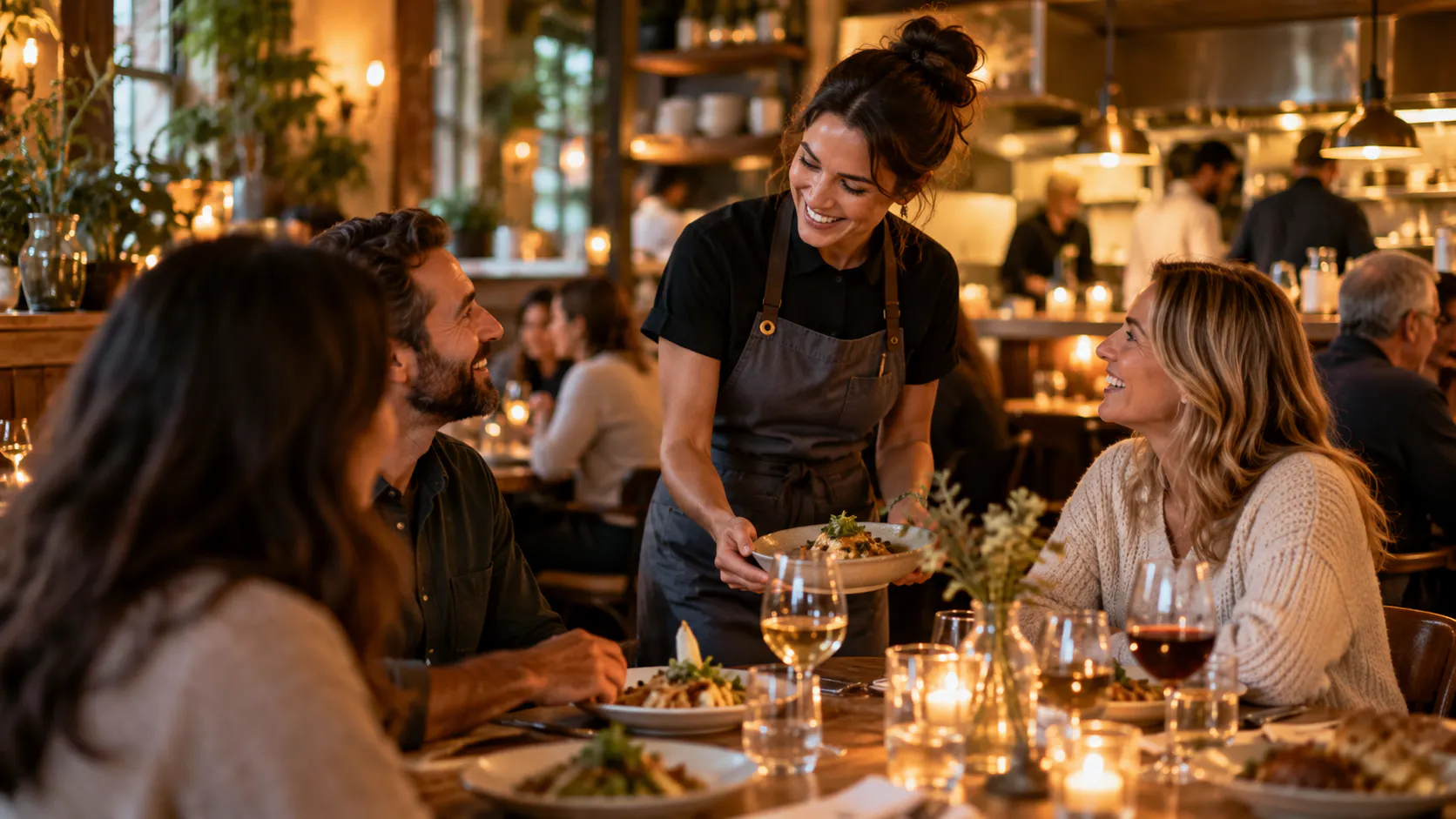
Your marketing starts before anyone sees a single post
Here's a truth a lot of owners skip: the most powerful marketing channel you own is the experience itself. A guest who felt looked after tells people. A guest who felt ignored also tells people, just louder and to more of them.
So the first investment isn't ad budget. It's your staff. Train your team to do more than take orders and carry plates. Train them to read a table, to check in without hovering, to remember a regular's usual, to make someone's first visit feel like their fifth. That's where networking with your guests actually happens. Every good interaction is a small deposit into a relationship, and relationships are what bring people back again and again.
The same goes for what comes out of your kitchen. The taste of your food is the memory people carry home. If a dish is worth remembering, they'll want it again, and they'll bring someone with them to try it. Consistency in the kitchen and warmth at the table are not separate from marketing. They are the marketing. Everything else you do simply amplifies whether that experience was good or bad.
Once that foundation is solid, then it's worth talking about channels. And this is where most owners get it wrong. They think marketing means posting a nice plate of food and hoping. That's not a strategy. That's a hobby. A real strategy moves a stranger from never heard of you to ordering every week, and it does that in stages.
Stage one: getting discovered by people who don't know you yet
The top of the funnel is about attention. These are people who have no idea you exist. They're not hungry for your food specifically, because they've never had it. Your only job at this stage is to become known and to become interesting.
And here's the shift that changes everything: stop treating social media as a photo album for your dishes. A feed of plate after plate says nothing. It doesn't tell people who you are, why your food is different, or why they should care. What earns attention is story.
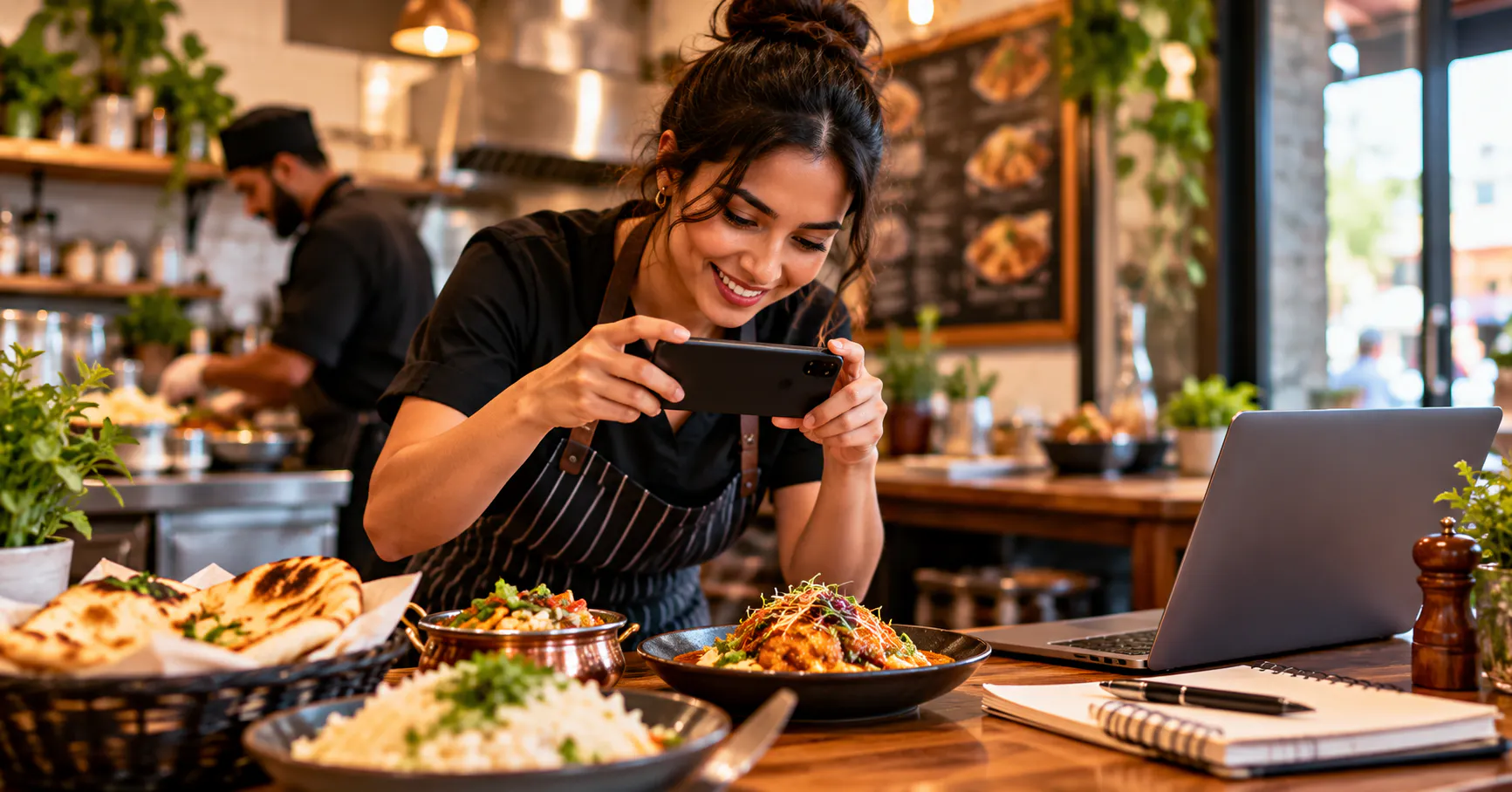
Show the kitchen and show your chef building a new dish, hands moving, steam rising, the moment a recipe comes together. Film short documentary-style pieces about how a signature dish is made and why you make it that way, the ingredient you refuse to cut corners on, the family recipe behind it. People are endlessly curious about the how and the why of food. That curiosity is your reach.
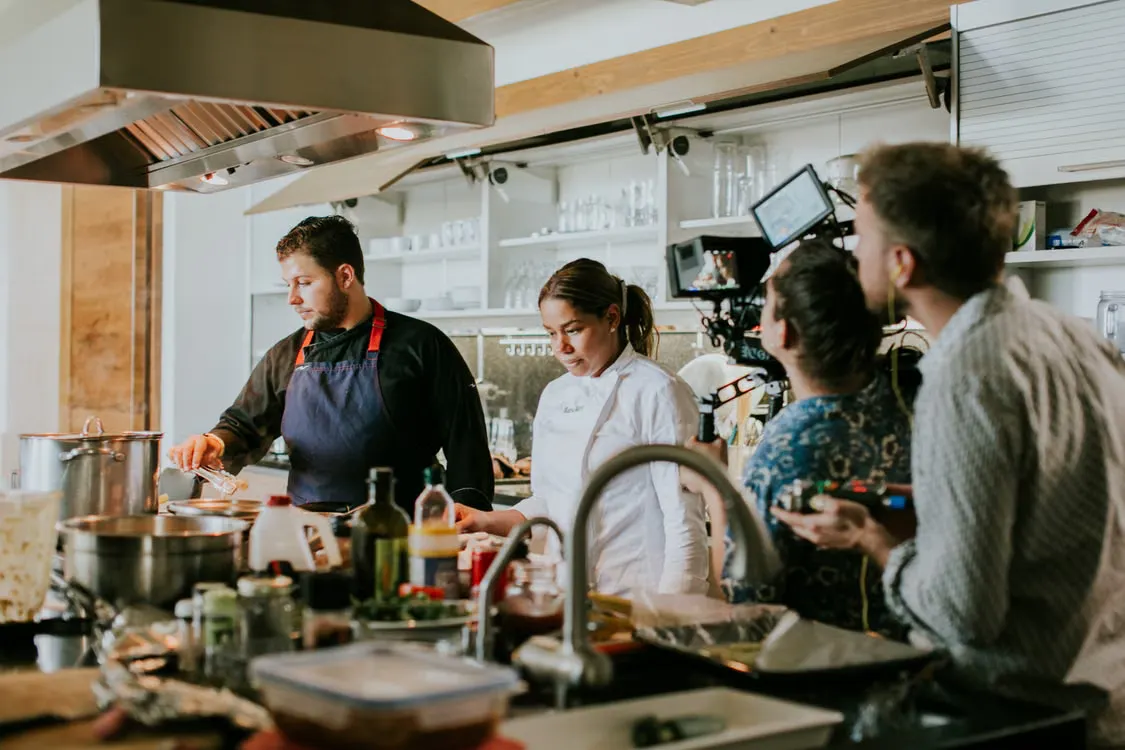
Season your content the way you season your menu. When winter comes, talk about the dishes that change someone's mood on a cold night. When a festival is near, share what you're preparing for it and the feeling you want people to walk in and find. This kind of storytelling does two things at once. It tells new people what your restaurant is about, and it keeps existing followers in the loop on what's happening right now, so they always have a reason to come in or order. Someone who watches your winter special or festival menu unfold over a week is far more likely to think, let me book a table, or let me order this through the app tonight.
The channel matters less than the story. Pick the platforms your guests actually use and go deep there rather than spreading yourself thin across all of them. But whatever you choose, lead with narrative, behind-the-scenes moments, and the human side of your kitchen. That's what stops the scroll. That's what makes a stranger remember your name.
Stage two: turning interest into a real reason to try you
Now you've got attention right, People know you exist and they think you look interesting. This middle stage is where you close the gap between I've seen them around and okay, I'll actually try it. Awareness alone doesn't fill tables. You have to give people a reason to take the first step, and you have to make the decision feel easy and low-risk.
This is where offers earn their keep, when you use them with intention. A first-order discount lowers the fear of trying something new. A membership or loyalty perk gives someone a reason to choose you over the place next door. Freebies, done smartly, do more than give food away. When your chef creates a new item, offer a taste of it to guests in exchange for an honest review. You get real feedback, the guest feels special for getting an early look, and you generate a wave of authentic reviews that pull in the next round of customers. Everybody wins.
Reviews and word of mouth do a lot of heavy lifting here, so make them easy to leave and worth talking about. A guest who was handed a free taste of tomorrow's special and asked, warmly, what they thought is a guest who talks about you. And in the delivery world especially, trust is everything, because people order again and again from places they already know and rate. Studies of delivery behaviour have found that roughly eight in ten orders go to restaurants a customer has ordered from before. That number should shape your whole approach at this stage: your job isn't just to get a first order, it's to make that first order so good it becomes the default.
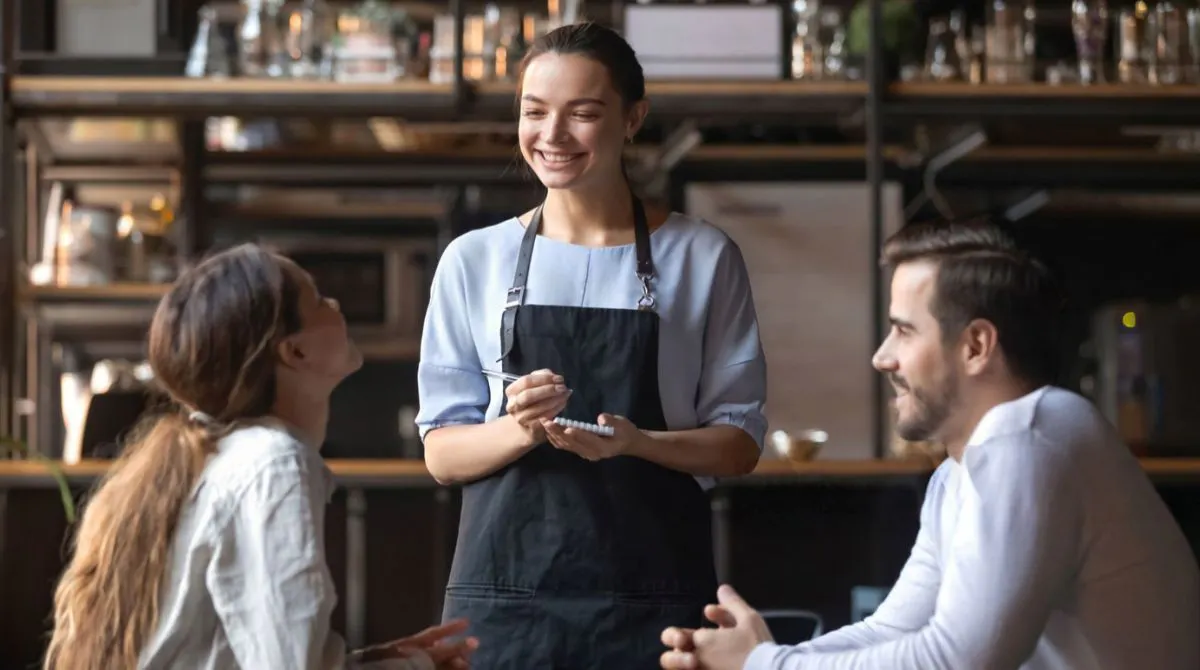
Keep the storytelling going too, but shift the angle. Where top-of-funnel content introduces you, middle-of-funnel content builds confidence. Share the reviews you're proud of. Show the same dish people are raving about. Post the chef talking through a recipe so viewers feel like they already know your kitchen before they've eaten there. Consistency is what turns curiosity into trust, and trust is what gets the wallet out.
Stage three: making it effortless to order and impossible not to return
At the bottom of the funnel, the person is ready. They want your food and your only job now is to remove every ounce of friction between that craving and the meal, and then to make sure this isn't the last time.
Removing friction means being wherever your customer wants to order, in as few taps as possible. That's online ordering, pickup, and delivery through the channels your market actually uses, whether that's the big platforms like UberEats and DoorDash or a local-first option like GetFiesto that focuses on getting food from nearby kitchens to nearby tables quickly and on promoting local restaurants rather than burying them under national chains. The point isn't to be on every platform for the sake of it. It's to pick the channels that make ordering from you genuinely easy, and to make sure your menu, photos, and hours are flawless on each one. A confusing or out-of-date ordering page loses the sale you already worked so hard to earn.
Offers still matter here, but their role changes. Up top, a discount buys attention. Down here, the right nudge closes the order. A limited-time deal on the app, a bundle for two, a free side over a certain amount, the festival menu available for delivery for one week only. These convert people who were already leaning in. And because your storytelling has been building toward this moment all along, the winter special you've been teasing or the new dish everyone reviewed is now something people can order with a single tap.
But the smartest restaurant marketing doesn't stop at the sale. It's built around the return. Remember, most repeat business comes from people who've ordered before, so the meal that just went out the door is the beginning of the next relationship, not the end of this one. This is where loyalty programs, membership perks, and simple, genuine follow-up pay off. Give people a reason to come back next week: points that add up, a members-only item, a birthday treat, a quiet-hour deal that fills your slow afternoons. When you can bring a first-time orderer back a second and third time, you've turned a one-off transaction into a customer, and customers are where the real money in this business lives.
Bringing it all together
The mistake most restaurants make is treating marketing as one thing: post food, run an ad, hope for the best. It isn't one thing. It's a path you build deliberately, and it starts long before anyone opens an app.
It starts in your kitchen, with food worth remembering. It lives at your tables, in staff who make people feel respected and welcome. It gets discovered through storytelling that shows the human side of your food instead of another anonymous plate. It builds trust through offers, freebies, and honest reviews that lower the risk of trying you. And it converts through effortless ordering across the right channels, whether that's a major platform or a local-first one like GetFiesto, backed by loyalty that turns a first order into a habit.
Do all of that and something quietly powerful happens. Your marketing and your restaurant stop being two separate things. The experience feeds the content, the content brings the guest, the guest becomes a regular, and the regular brings a friend. That's not a campaign you switch on and off. That's a machine you build once and keep running, and it's the difference between a restaurant people happen to eat at and one people can't stop talking about.
So before you plan your next post, ask the same question you started with. Why do people really come to your restaurant? Answer that honestly, then build every part of your marketing around making that answer true, every single time.